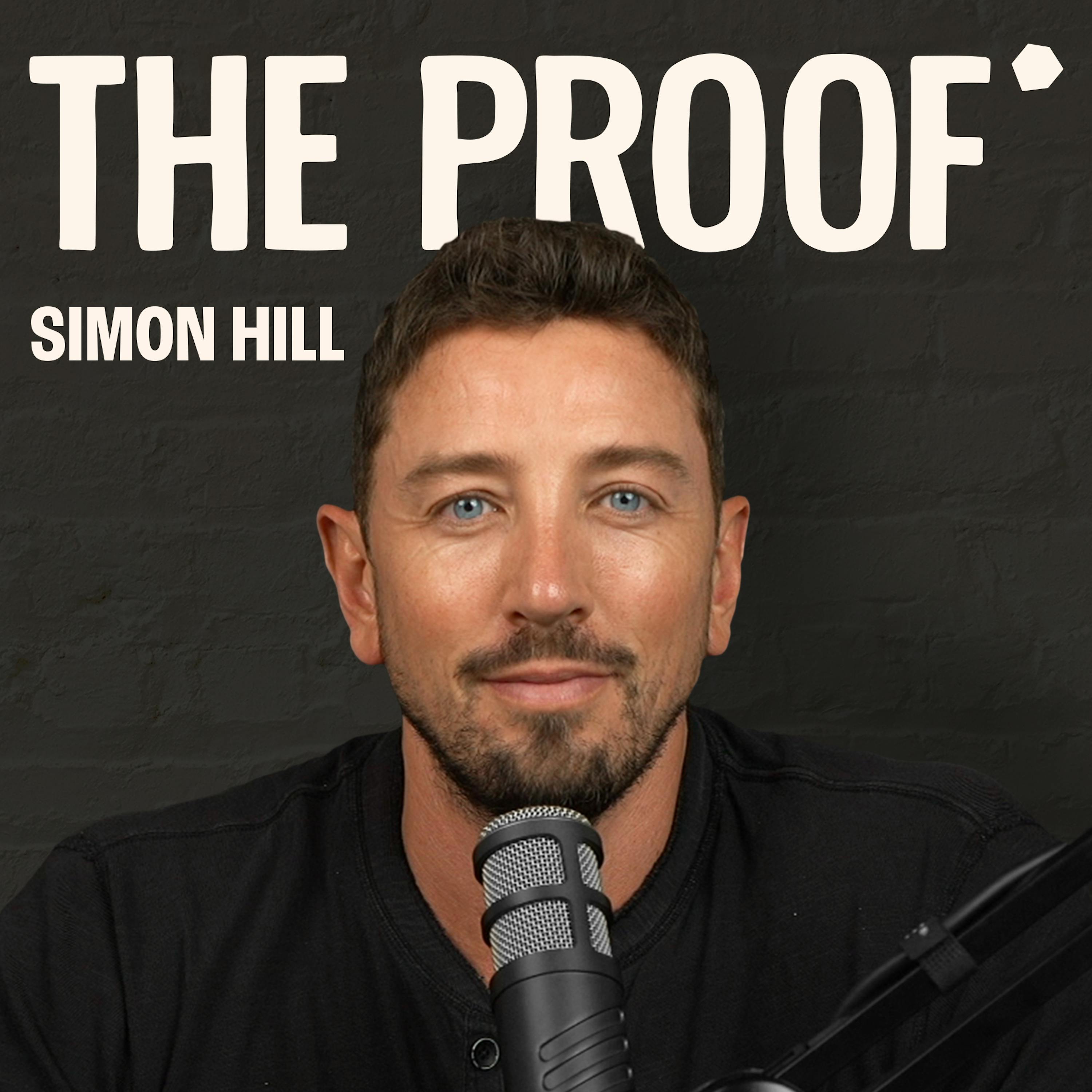
30 Years of Diet Trials: What a Stanford Scientist Is Most (and Least) Sure About | Dr Christopher Gardner
October 12, 2026
AI Summary
5 min read30 Years of Diet Trials: What a Stanford Scientist Is Most (and Least) Sure About
Dr. Christopher Gardner, a Stanford nutrition professor who has run more than 24 dietary intervention trials over three decades, started as a philosophy major. That background shapes how he approaches nutrition science today: "There was no right answer. What is truth? What is beauty? What is good? You had to come up with compelling arguments." He now sees his career as a constant negotiation between two competing ideals—scientific rigor and real-world generalizability—and he believes you can't fully have both with food studies.
The Garlic Study and the Problem with Reductionism
Gardner's most instructive failure came early. He ran a meticulously designed trial testing whether garlic supplements lower LDL cholesterol. A garlic chemist named Larry Lawson pointed out that the enzyme needed to convert alliin to allicin (the putative active agent) would be destroyed by stomach acid unless the pill had an enteric coating. Gardner went back to the bench, secured a $1.4 million NIH grant, bought four cases of fresh garlic from Gilroy, California, had eight people peel it for two days, and made 35,000 sandwiches with garlic-containing condiments. He tested real garlic, enteric-coated supplements, aged garlic extract, and placebo across 200 people over six months.
Continue reading the full summary in the app — free to try.
Read Full Summary →Free • No credit card required
Never miss an episode of The Proof with Simon Hill
Get every new episode summarized in your inbox — free, ~5 minutes to read.
No spam. Unsubscribe anytime.
What you'll learn
- 1 Timestamped Navigation Outline
- 2 (00:03) **Opening & Philosophy Background** - Simon introduces Dr. Christopher Gardner, noting this is his eighth appearance, and they set up the conversation about certainty and uncertainty in nutrition science
- 3 (05:34) **The Garlic Study: A Case Study in Rigor vs. Reality** - Gardner walks through his famously thorough garlic and cholesterol trial, illustrating why even well-designed studies can miss the mark
- 4 (17:09) **What Gardner Is Most Certain About** - He plants his flag on the foods and patterns he holds with highest conviction after 30 years of research
- 5 (24:32) **The Adherence Problem in Nutrition Research** - Gardner explains why real-world adherence is a scientific finding in itself, not just a nuisance
- 6 (27:37) **The Calcium Supplement Story: If You Take Them, They Work** - Gardner uses the Women's Health Initiative calcium trial to illustrate how study design and adherence shape what we think we know
- 7 (32:49) **Data Dredging and the Fermented Food Study** - Gardner explains how pre-registration on clinicaltrials.gov has improved science, using his own FIFIFO (fermented food vs. fiber) study as an example
+ Full timestamped outline available in the app
Show Notes
This is Christopher Gardner's eighth appearance on the show. Christopher is a nutrition scientist at Stanford, director of the Stanford Nutrition Studies Research Group, and the author of a new book, Food Sense: What to Eat and Why. He has run more than 20 human diet trials over three decades.
Instead of relitigating the diet wars, we spend this conversation on the machinery underneath them: the trade-off between rigour and real life, why the definitive trial people keep waiting for will never be run, and what a null result is actually worth. I also put a few recent studies to him that cut against my own position.
What we cover
- Why the perfect diet trial will never happen, and how that should change the way we read the evidence
- The $1.4 million garlic study that found nothing, and why Christopher is proud of it
- The four things every popular diet agrees on, and the six foods that divide them
- His keto versus Mediterranean trial, and the two findings that went in opposite directions
- How he approaches a new study that contradicts his own position
- Why he is shifting his focus to hospital, university, and military kitchens
If you take one thing from this episode, let it be the habit of asking what a finding can actually carry before you change anything.
To connect with Christopher Gardner, visit the Stanford Nutrition Studies Research Group, pick up a copy of Food Sense: What to Eat and Why, or find him on Instagram and LinkedIn.
If this episode was useful, a rating and review on Apple Podcasts genuinely helps more people find the show.
Want to support the show?
The best way to support the show is to use the products and services offered by our sponsors. To check them out and enjoy great savings, visit theproof.com/friends. You can also support the show by leaving a review on the Apple Podcast app and sharing your favourite episodes with friends and family.
This episode is brought to you by:
38TERA
38TERA’s BDR is a clinically dosed gut health supplement for improved digestion, less bloating, better bowel movements and a healthier microbiome. Use code THEPROOF for a discount at checkout.
38Tera ships to the United States, Australia, and New Zealand.
IM8
With 92 nutrients, including Vitamin B12, Iodine, Selenium and Vitamin D, in highly absorbable forms, IM8 Daily Essentia
More from this podcast
The Proof with Simon Hill →