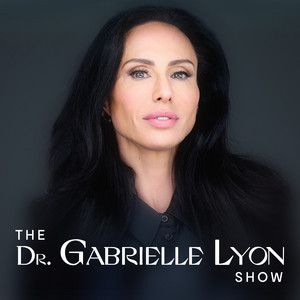
How Much Protein Do You Need? Top Scientists Still Disagree
October 15, 2026
AI Summary
5 min readProtein Is Not One Number
At the Protein Summit 3.0 at Texas A&M, a room full of the world's leading protein researchers couldn't agree on how much protein people actually need. But they did agree on something more interesting: the question itself is too simple. "One size doesn't fit all," says Dr. Gabrielle Lyon, a physician fellowship-trained in nutritional sciences and geriatrics who has studied protein for two decades. "A person trying to avoid deficiency is asking one question. An older adult trying to preserve function is asking another."
Amino Acids Do More Than Build Muscle
Protein's reputation as muscle-building material is accurate but incomplete. When we eat protein, the body breaks it into amino acids that help make tissues, enzymes, hormones, neurotransmitters, and immune compounds. They also act as signals telling cells what to do. Unlike body fat, the body doesn't store extra amino acids in large tanks. Every day, the amino acids we consume must be incorporated, transformed, oxidized, or otherwise metabolized.
Continue reading the full summary in the app — free to try.
Read Full Summary →Free • No credit card required
Never miss an episode of The Dr. Gabrielle Lyon Show
Get every new episode summarized in your inbox — free, ~5 minutes to read.
No spam. Unsubscribe anytime.
What you'll learn
- 1 (00:01) **Protein: One Size Doesn't Fit All** - Dr. Gabrielle Lyon introduces the core tension: the question "how much protein do we need?" changes depending on whether you are avoiding deficiency, preserving function as an older adult, recovering from illness, or losing weight on a GLP-1.
- 2 (00:24) **Protein Is More Than Just Building Material** - Explains that protein is broken into amino acids which act as signals, not just muscle-building bricks, and that the body has no storage tanks for them.
- 3 (03:37) **Four Amino Acids, Four Different Jobs** - Uses methionine, phenylalanine/tyrosine, threonine, and leucine to show that individual amino acids have distinct biological roles beyond muscle.
- 4 (06:00) **Minimum vs. Optimal: The Core Controversy** - The familiar 0.8 g/kg recommendation is for avoiding deficiency, not for optimal function; a room full of top scientists argued over this exact point.
- 5 (08:33) **Blind Spots in the Evidence** - Explains why researchers don't have better answers: much of the evidence comes from narrow populations, particularly healthy younger men.
- 6 (10:44) **Why One Size Doesn't Fit All** - The strongest theme from early-career scientists was context; broad public health recommendations are necessary, but clinical practice is different.
- 7 (12:10) **The Protein Fortification Problem** - Adding protein to cookies and coffee can fill a gap for low-appetite older adults or busy teenagers, but it can also create a "health halo."
+ Full timestamped outline available in the app
Guests on this episode
Show Notes
Protein is in everything right now: coffee, chips, cookies, bars. But despite the massive marketing hype, the world’s leading scientists are still debating fundamental questions about how much protein we actually need and how the body uses it. Fresh off the Protein Summit 3.0 at Texas A&M, Dr. Gabrielle Lyon breaks down what top researchers agreed on, why treating protein as a single number is a major mistake, and how to stop falling for "high-protein" health halos in the grocery store.
Find Dr. Gabrielle Lyon at:
Protein is in everything right now: coffee, chips, cookies, bars. But despite the massive marketing hype, the world’s leading scientists are still debating fundamental questions about how much protein we actually need and how the body uses it. Fresh off the Protein Summit 3.0 at Texas A&M, Dr. Gabrielle Lyon breaks down what top researchers agreed on, why treating protein as a single number is a major mistake, and how to stop falling for "high-protein" health halos in the grocery store.
Explore More from Dr. Gabrielle Lyon:
- Instagram: https://www.instagram.com/drgabriellelyon/
- TikTok: tiktok.com/@drgabriellelyon
- Facebook: facebook.com/doctorgabriellelyon
- YouTube: youtube.com/@DrGabrielleLyon
- X: x.com/drgabriellelyon
- Apply to become a patient: https://drgabriellelyon.com/new-patient-inquiry/
- Weekly newsletter: https://institute-for-muscle-centric-medicine.ck.page
- Order my new book: https://www.amazon.com/exec/obidos/ASIN/1668085623
Chapters:
00:00 - Introduction & Protein Summit
02:30 - Amino Acids Beyond Muscle
05:55 - Minimum vs. Optimal Protein
08:13 - Lab Studies vs. Real Life
10:33 - Context & Individual Needs
12:04 - The Fortification Trap
14:41 - The Whole Food Matrix
16:18 - Research Funding & Transparency
18:00 - The Future of Protein
Disclaimer: The Dr. Gabrielle Lyon Podcast and YouTube are for general information purposes only and do not constitute the practice of medicine, nursing, or other professional health care services, including the giving of medical advice, and no doctor/patient relationship is formed. The use of information on this podcast, YouTube, or materials linked from this podcast or YouTube is at the user's own risk. The content of this podcast is not intended to be a substitute for professional medical advice, diagnosis, or treatment. Users should not disregard or delay in obtaining medical advice for any medical condition they may have and should seek the assistance of their health care professional for any such conditions.
More from this podcast
The Dr. Gabrielle Lyon Show →