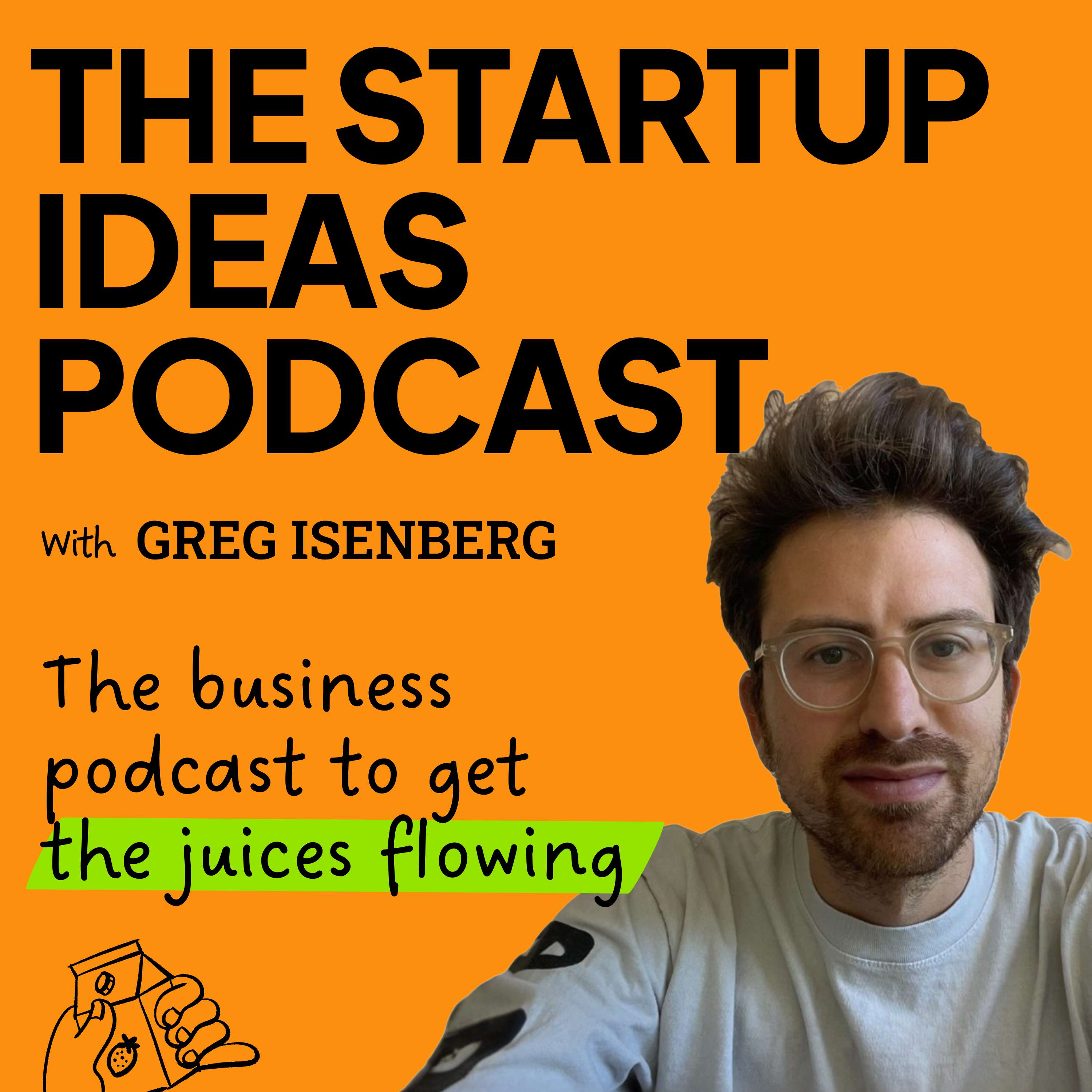
The best way to build an audience in 2025 (My 4-Step System)
March 17, 2025
AI Summary
5 min readThe Four-Step Playbook for Building an Audience in 2025
Greg Isenberg has spent 15 years developing a framework for building an audience, and he's sharing it for the first time publicly. His X account has generated 171 million impressions in the last twelve months, nearly 900,000 bookmarks, and driven millions of dollars to his businesses. But the system he's about to walk through took him until 2020 to really crack—he'd been on Twitter for nearly 15 years before hitting 10,000 followers.
The ACP Framework: Audience Before Product
Everything starts with what Greg calls the ACP framework: Audience, Community, Product—in that order. The audience is people in your niche who are passionate and underserved. The community is your hardcore followers. The product is what you sell to them.
Jonathan Courtney, who co-founded AJ&Smart, pushes back on the product-first approach that many founders default to. "There's nothing more soul destroying than launching something and zero people are using it," he says. For a bootstrapped business, starting with the audience is the only sensible path. Greg puts it simply: "Dig the well before you need the water."
Step One: Identify Your Audience
Continue reading the full summary in the app — free to try.
Read Full Summary →Free • No credit card required
Never miss an episode of The Startup Ideas Podcast
Get every new episode summarized in your inbox — free, ~5 minutes to read.
No spam. Unsubscribe anytime.
What you'll learn
- 1 (00:00) **Episode Introduction & The ACP Framework** - Greg introduces his X account growth (171M impressions in 12 months) and the four-step audience-building playbook he's about to share for the first time.
- 2 (03:50) **Step 1: Identify Your Audience & Stand Out** - Define who you create for and what they aren't getting from others.
- 3 (09:59) **Step 2: Find Your Format** - The critical, often overlooked step of choosing a content format that works for you.
- 4 (19:55) **Step 3: Build Systems for Consistency** - Practical systems to ensure you actually execute the playbook.
- 5 (24:42) **Step 4: Pick One Primary Goal & Start** - Choose a single metric and begin, avoiding analysis paralysis.
- 6 (28:56) **The Best Way to Start: Be a Reply Guy on X** - Jonathan asks for the single tactic to build momentum.
- 7 (31:03) **The "Why" of Building an Audience: Insurance & Options** - Jonathan and Greg discuss the long-term value of an audience as a safety net.
+ Full timestamped outline available in the app
Guests on this episode
Show Notes
How to build an audience in 2025: https://www.startupempire.co/build-an-audience
I’m joined by Jonathan Courtney to jam on how to build an audience in 2025. We explore various tactics including finding your unique format, implementing consistent systems, and measuring progress against clear goals.
Timestamps:
00:00 - Intro
01:58 - The ACP Framework
04:06 - Step 1: Identify Who You're Creating For
10:05 - Step 2: Find Your Format
19:43 - Step 3: Build Systems That Stick
24:52 - Step 4: Pick ONE Primary Goal
28:08 - Where to Begin? The Reply Guy Strategy
31:08 - WHY Building an Audience Matters
Key Points:
• ACP framework for building an audience in 2025: Audience (people passionate about your niche), Community (hardcore followers), and Product (what you sell)
• The four-step playbook includes identifying your audience, finding your format, creating systems, and setting goals
• Starting as a "reply guy" on platforms like X (Twitter) is recommended as a low-pressure way to begin building an audience
• Building an audience serves as an "insurance policy" that provides options for future business opportunities
1) The ACP Framework: Your Foundation
A = Audience (people passionate about your topic)
C = Community (your hardcore followers)
P = Product (what you sell to them)
The KEY insight: Start with audience FIRST, then community, then product.
Why? Because audience-first gives you OPTIONS and CONFIDENCE when you launch.
2) Step 1: Identify Who You're Creating For
Don't just create random content. Be strategic!
• Focus on people interested in YOUR specific niche
• Understand what they're NOT getting from others
• Find your unique "sauce" (Greg gives away ALL his startup ideas)
• If not getting engagement, start one level broader than your niche
Example: Jonathan's company wanted to be known for design sprints, but started with broader UX content to build audience first.
3) Step 2: Find Your Format
Your format is HOW you deliver your content. This is CRUCIAL but often overlooked!
• Test one format each business day
• Look for formats OUTSIDE your niche (don't copy what's saturated)
• Consider what's working platform-wide (short-form video in 2025)
• Focus on what feels NATURAL (or you'll quit)
• Test for 90 days and let data guide you
Remember: Formats have lifecycles! What works today might not work in 6 months.
4) Step 3: Build Systems That Stick
The difference between creators who quit and those who succeed? SYSTEMS.
System breakdown:
• Build a "creative faucet" routine (what gets your ideas flowing?)
• Create an ideas capture system (Greg uses Apple Notes)
• Schedule weekly time to turn ideas into content
• Be strategic with timing (post when your audience is active)
5) Step 4: Pick ONE Primary Goal
Don't try to do everything at once!
• Choose