AI Summary
5 min readMake 2026 the Best Year (Answer These 7 Questions)
The Problem with New Year Planning
Most people rush into January with a list of goals and systems, skipping the most important step: extracting the data from the year they just lived. As Sahel Bloom puts it, quoting John Dewey: "We do not learn from experience. We learn from reflecting on experience." The seven-question framework he shares is designed to force that reflection—to pull the insights out of 2025 so you can actually use them in 2026.
The core premise is that the smartest, most successful people aren't the ones with all the right answers. They are the ones who ask the right questions and have "software updates" to their thinking. The framework is called a Personal Annual Review, and it works best with a blank sheet of paper and a willingness to be honest.
Question 1: What Did I Change My Mind On?
This question is about identifying where your thinking evolved. The trick is not to answer from memory alone—open your calendar from January 2025, look at what you were doing, who you were spending time with, and what you believed then. Then ask: what makes me cringe about that younger version of myself? That cringe is the signal.
Continue reading the full summary in the app — free to try.
Read Full Summary →Free • No credit card required
Never miss an episode of The Startup Ideas Podcast
Get every new episode summarized in your inbox — free, ~5 minutes to read.
No spam. Unsubscribe anytime.
What you'll learn
- 1 (00:00) **Episode Introduction & Purpose** - Greg introduces the episode as a personal annual review exercise with Sahel Bloom to prepare for 2026.
- 2 (02:54) **Why Reflection Matters** - Sahel explains the importance of reflecting on the past year before planning the next one.
- 3 (04:12) **Question 1: What Did I Change My Mind On?** - The first question focuses on intellectual flexibility and reinvention.
- 4 (11:33) **Question 2: What Created Energy This Year?** - Identifying activities and people that generate positive energy, broken into professional, personal, and people buckets.
- 5 (19:04) **Question 3: What Drained Energy This Year?** - The inverse of question two, identifying energy drains across the same three buckets.
- 6 (25:05) **Question 4: What Are the Boat Anchors in My Life?** - Identifying mindsets, behaviors, and people that create drag and hold you back.
- 7 (33:07) **Question 5: What Did I Not Do Because of Fear?** - Shining a light on fears that prevented action.
+ Full timestamped outline available in the app
Show Notes
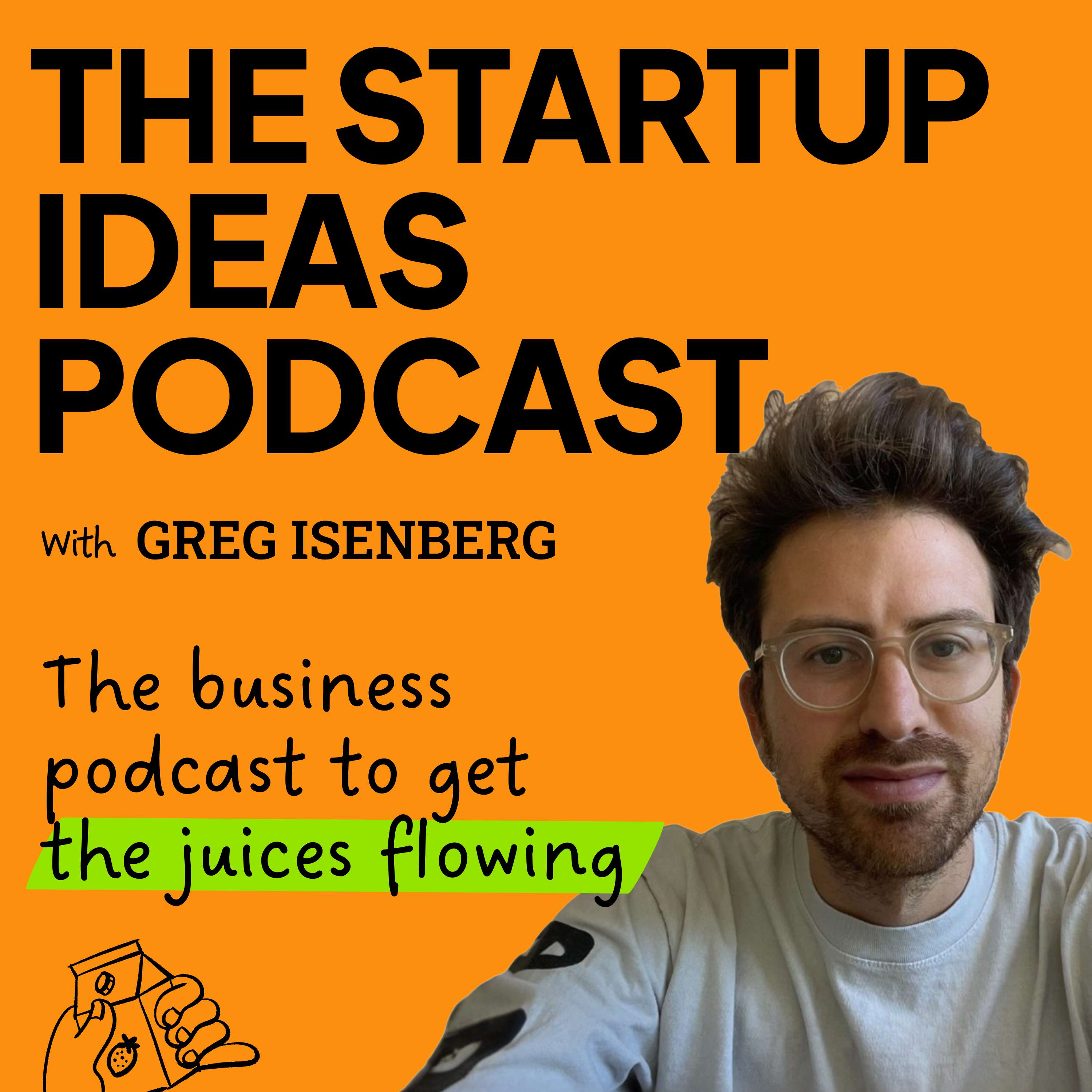
I’m joined by Sahil Bloom for a throwback episode where he walks me through his “personal annual review,” a 7-question framework to reflect on 2025 and set yourself up to crush 2026. We talk about why reflection beats raw experience, how to use your calendar to surface what you’ve actually changed your mind on, and how to identify what creates vs. drains your energy. We dig into “boat anchors” (the hidden drag holding you back), what fear kept you from doing, and how to learn from both your greatest hits and worst misses. By the end, you’ll have a practical set of questions you can answer on paper to extract real insights from the year and carry them forward.
Get the Personal Review Template: https://www.sahilbloom.com/annual-review
Timestamps
00:00 – Intro
02:54 – Why Reflection Matters (The “Annual Review” Setup)
04:12 – Q1: What Did I Change My Mind On?
11:29 – Q2: What Created Energy This Year?
18:58 – Q3: What Drained Energy This Year?
25:05 – Q4: What Were The Boat Anchors In My Life?
33:06 – Q5: What Did I Not Do Because Of Fear?
39:51 – Q6: Greatest Hits & Worst Misses (And Why)
44:04 – Q7: What Did I Learn This Year? (Synthesize 3–10 Learnings)
Key Points
- You don’t learn from “having a year,” you learn from reflecting on it, and that reflection becomes usable data for the next year.
- Your outcomes follow your energy, use your calendar to identify what creates energy and what drains it, then adjust accordingly.
- For “draining” activities, evaluate how you feel after (not during), because many high-value things feel hard in the moment.
- The fastest progress often comes from cutting what holds you back (“boat anchors”), not adding new habits or protocols.
- Fear is often inexperience (not inability); shine a light on it with deconstruction exercises (e.g., upsides vs. downsides) and take action.
- “Hits vs. misses” reflection prevents bias, overly critical people only see misses; optimists only see wins, both lose learning.
The #1 tool to find startup ideas/trends - https://www.ideabrowser.com
LCA helps Fortune 500s and fast-growing startups build their future - from W