AI Summary
5 min readIn a 1962 interview, William Golding said the final image of Lord of the Flies—a naval officer looking away from the weeping boys to rest his eyes on his "trim cruiser"—was meant to tell the reader: "Look, you think you've been reading about little boys, but in fact you've been reading about the distresses and the wickedness of humanity." The cruiser, he explained, is doing exactly what the hunters do: hunting down and destroying the enemy. This is the core of the novel's argument: civilization is a thin veneer, and the capacity for evil is not a foreign invader but a native inhabitant of the human soul.
The Man Who Saw the Darkness
William Golding was a 43-year-old nobody when Lord of the Flies was published in 1954. A grammar school teacher in Salisbury, he had served in the Royal Navy during World War II, commanding a rocket ship on D-Day and witnessing the carnage at Walcheren. The war, he said, "revealed to me my own viciousness and cruelty." He later wrote, "I understood the Nazis because I am of that sort by nature."
Continue reading the full summary in the app — free to try.
Read Full Summary →Free • No credit card required
Never miss an episode of The Book Club
Get every new episode summarized in your inbox — free, ~5 minutes to read.
No spam. Unsubscribe anytime.
What you'll learn
- 1 (00:47) **Episode Introduction and the "Game"** - The hosts open with a dramatic reading of a pivotal scene from *Lord of the Flies*, then introduce the book's central thesis about the savagery beneath civilization.
- 2 (09:54) **Plot Recap: The Descent into Savagery** - Tabby provides a concise summary of the novel's plot, establishing the key characters and the trajectory of their civilization's collapse.
- 3 (12:58) **William Golding: The Man Behind the Darkness** - The hosts delve into the biography of William Golding, exploring how his personal experiences and psychology shaped the novel's grim worldview.
- 4 (25:06) **The Book's Origin and Publication** - The hosts recount the famous story of how *Lord of the Flies* was conceived and eventually published after numerous rejections.
- 5 (35:35) **Character Analysis: Ralph and Jack** - The hosts analyze the central conflict between the two leaders, Ralph and Jack, as a clash of political and psychological archetypes.
- 6 (42:36) **Character Analysis: Piggy and Roger** - The discussion turns to the two most extreme characters: the rational outsider and the pure sadist.
- 7 (48:56) **The Pig Hunt and the Nature of Evil** - The hosts analyze a key scene of the pig hunt, highlighting the sexualized violence and Golding's exploration of original sin.
+ Full timestamped outline available in the app
Show Notes
How did William Golding’s experience in WW2 inspire Lord Of The Flies? Why was the novel initially rejected by publisher? And, what does it say it about the fragile nature of society?
Download the Klarna app to stay on top of your money, so you can think about, well, anything else.
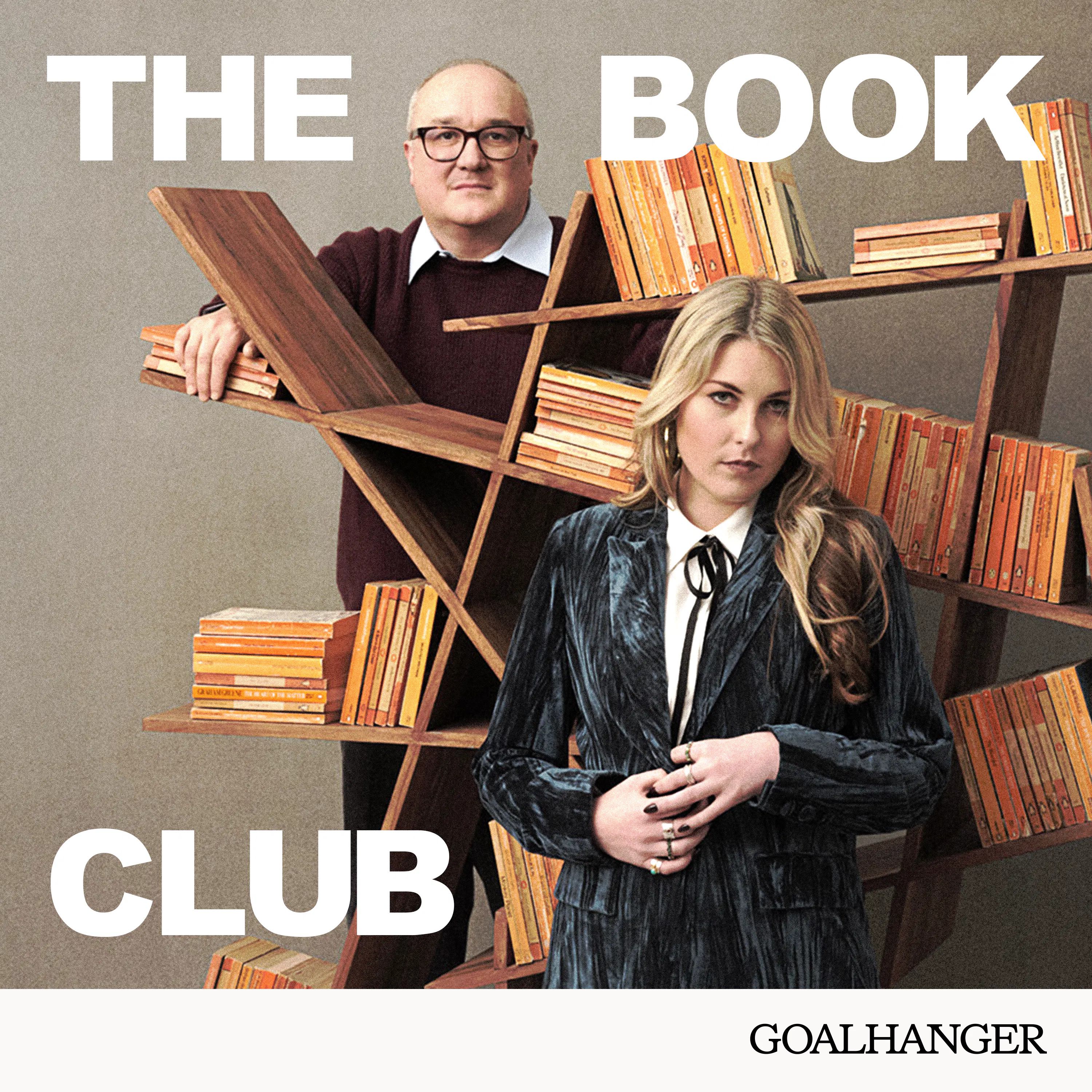
Join Dominic Sandbrook and Tabitha Syrett as they delve into the fascinating story behind the writing of Lord Of The Flies, and the world it was born of.
Klarna balance account required to receive cashback points. Limitations, terms, and conditions apply.
Exclusions apply. Learn more at https://www.klarna.com/uk/buyer-protection-description/.
Email us: [email protected]
For analysis, book recommendations and more, sign up to our newsletter, Book Club Notes, introduced weekly by Tabby or Dominic.
Sign up at: https://www.thebookclubhq.com/
Instagram: @bookclubpodhq
TikTok: @thebookclubpodhq
X: @bookclubpodhq
YouTube: @TheBookClubPodHQ
Senior Producer: Nicole Maslen
Assistant Producer: Alfie Norris
Social Producer: Harry Balden
Video Editor: Caroline Kaye
Executive Producer: Dom Johnson
Learn more about your ad choices. Visit podcastchoices.com/adchoices
More from this podcast
The Book Club →