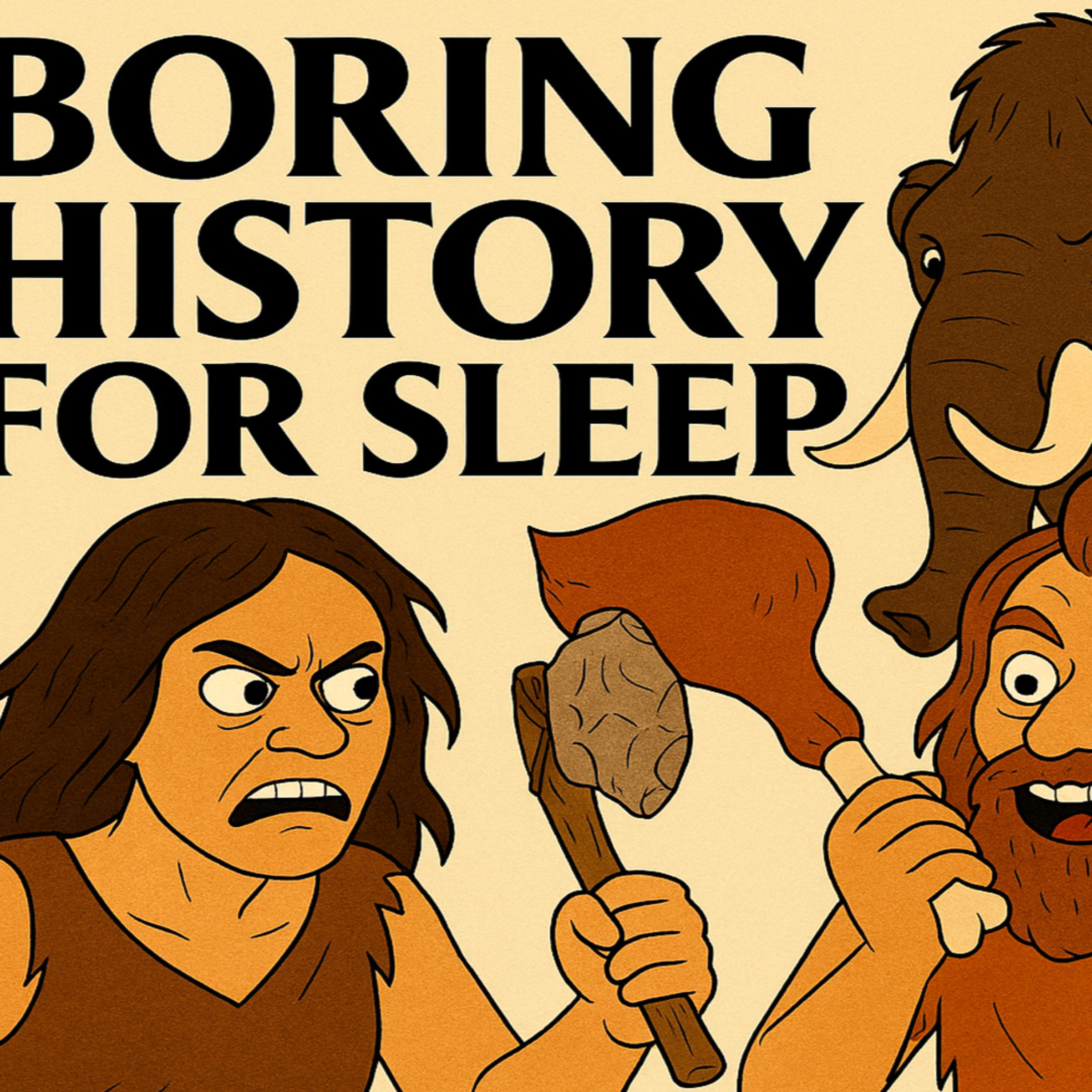
Could You Survive the Ancient Olympics? — Immersive History of the Games 🏛️ | Boring History for Sleep
July 12, 2026
AI Summary
5 min readThe Brutal Price of Glory: What the Ancient Olympics Actually Demanded
The ancient Olympics weren't a wholesome track-and-field festival. They were a brutal, bloody spectacle where athletes died for glory, judges accepted bribes, and the prize was literally just a wreath of olive leaves—no gold, no endorsements, just foliage that would crumble within a week. Yet for over a thousand years, young men across the Greek world spent their entire lives chasing this prize, leaving behind comfortable homes and stable careers for a chance to stand before a crowd holding what was essentially garden waste.
Why an Olive Wreath Was Worth More Than Gold
The ancient Greeks had a concept called kleos—immortal glory that would outlive your mortal body and echo through the ages. It was having poets compose songs about your achievements that would be sung for generations, having your name carved into stone and spoken by people who would live centuries after you died. This obsession with eternal glory wasn't abstract philosophy; it was the driving force behind nearly everything ambitious young Greeks did. When Homer wrote the Iliad, he was illustrating the central dilemma of Greek existence through Achilles, who faced a stark choice: live a long, comfortable, forgettable life, or die young in battle and achieve kleos that would last forever. Achilles chose death and glory, and over two
Continue reading the full summary in the app — free to try.
Read Full Summary →Free • No credit card required
Never miss an episode of Boring History for Sleep
Get every new episode summarized in your inbox — free, ~5 minutes to read.
No spam. Unsubscribe anytime.
What you'll learn
- 1 (00:01) **Could You Survive the Ancient Olympics?** - The episode frames the ancient Olympics as a brutal, bloody spectacle where athletes died for glory and the prize was an olive wreath, not a gold medal.
- 2 (01:01) **The Prize: Kleos (Immortal Glory)** - Explains why athletes endured brutal training and risked death for a wreath of olive leaves.
- 3 (08:15) **The Political Stage: City-States at War** - Describes how the Olympics were a stage for intense rivalries between hundreds of independent Greek city-states (polis).
- 4 (12:50) **The Sacred Truce & The Journey to Olympia** - Details the *Ekecheiria* (sacred truce) and the dangerous, expensive journey athletes faced to reach the games.
- 5 (20:48) **Corruption and the Zanes** - Explains how bribery and cheating were punished by funding bronze statues of Zeus (Zanes) that served as permanent monuments to the cheater's shame.
- 6 (24:35) **The Philosophy of Excellence: Kalokagathia** - Explores the Greek ideal of *Kalokagathia* (beautiful and good), the fusion of physical perfection and moral virtue.
- 7 (43:23) **The Path to Olympia: Talent, Patronage, and Money** - Details how athletes were discovered, funded, and trained, highlighting the economic realities behind the pursuit of glory.
+ Full timestamped outline available in the app
Show Notes
The ancient Olympic Games were far more intense than modern competitions. Athletes trained for years, faced strict rules, and competed in events that tested strength, endurance, and resilience. Injuries, pressure, and honor were all part of the experience. Beyond the stadium lay tradition, ritual, and a culture that celebrated both victory and struggle. A calm journey into the realities of competing in the ancient world.
Boring history for sleep – Soft stories about difficult lives.
More from this podcast
Boring History for Sleep →